Spring (April–May)
Mild temperatures, frequent light rain.
High.
Blooming flora enhances the landscape; trails are comfortable for extended trekking.
Explore UNESCO sandstone columns, cliff-edge walkways, and the world's longest glass bridge in China's Hunan province.
The Southern Sky Column stood unnamed for millennia until a Hollywood art department arrived in 2008 with reference cameras.
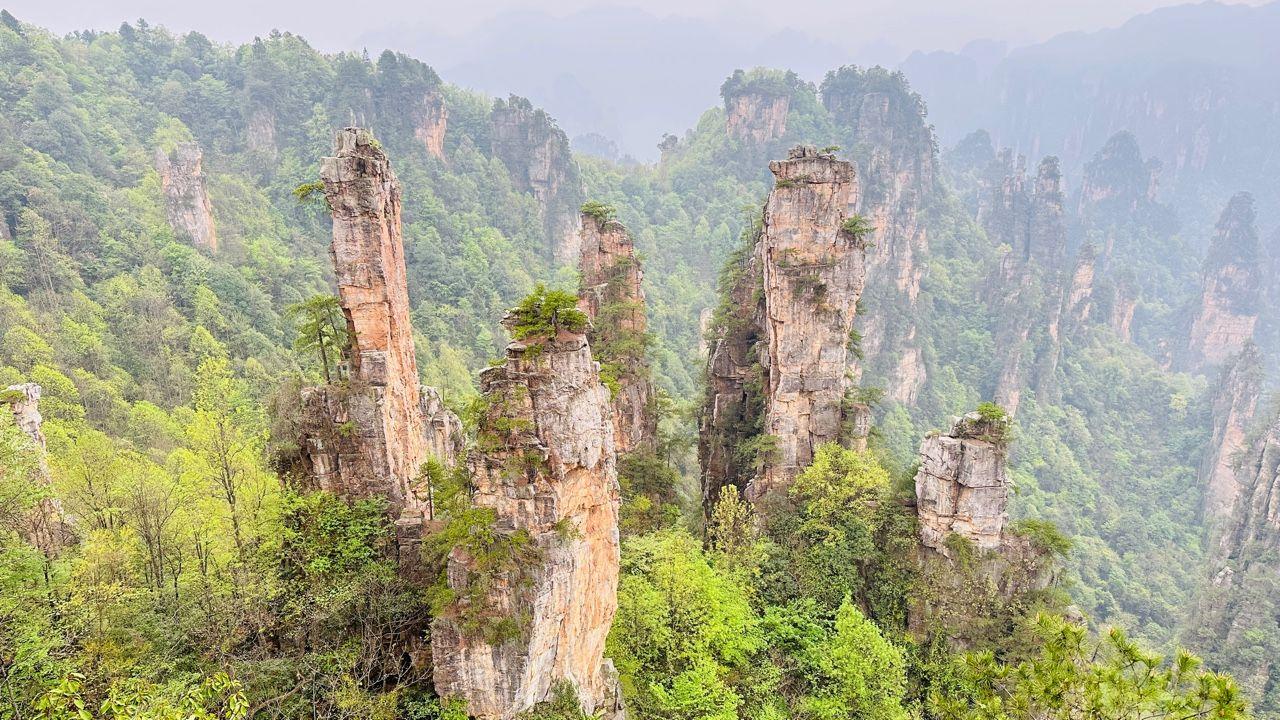
Within two years, the 1,080-meter pillar had been rechristened Avatar Hallelujah Mountain, and zhangjiajie national forest park transformed from a domestic hiking destination into a global landmark. The quartzite towers predate the Himalayas by 200 million years, but their fame is entirely modern.
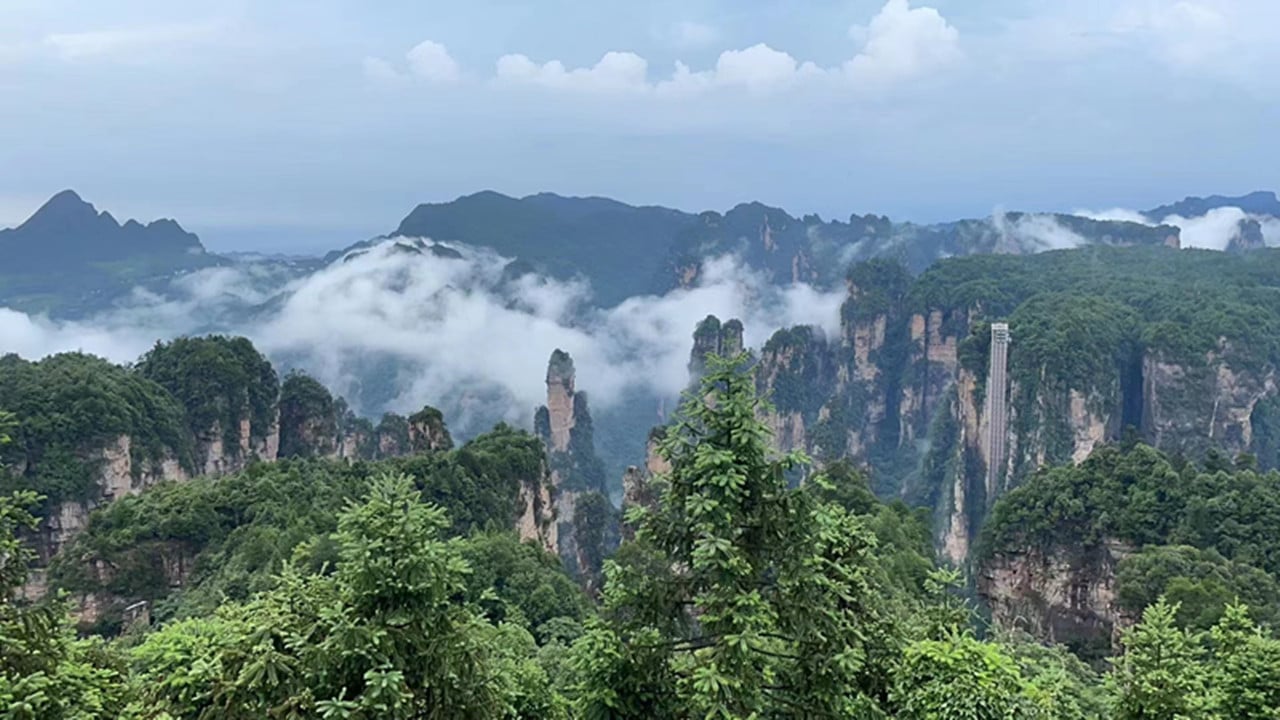
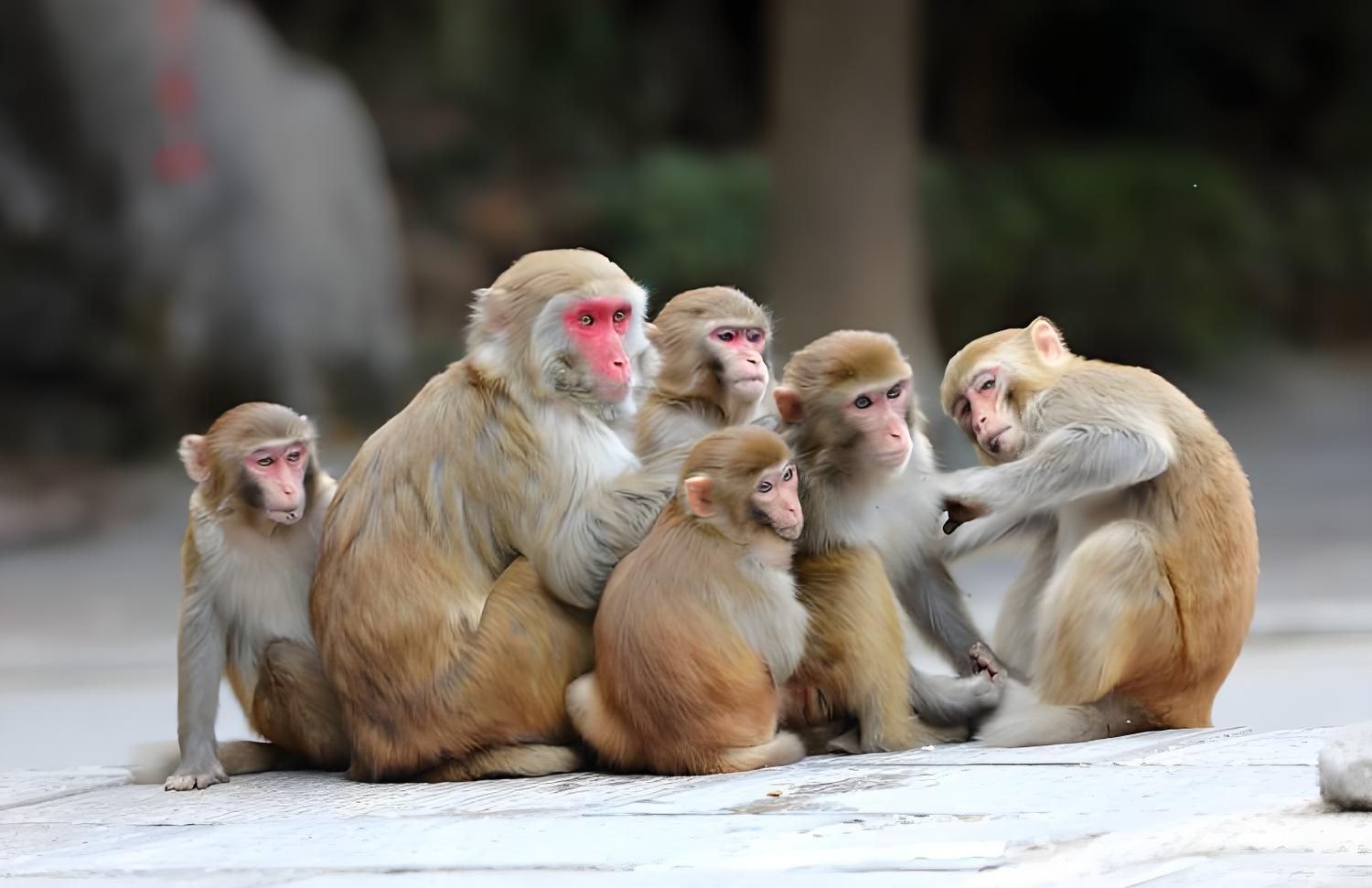
The Wulingyuan Scenic Area—the UNESCO designation that encompasses the forest park—protects a landscape shaped by tectonic uplift and selective erosion. Water dissolved softer sediment layers, leaving behind the resistant sandstone pillars that now define the skyline. The Golden Whip Stream canyon cuts through the eastern sector, its six-kilometer trail threading between 300-meter walls. Macaques inhabit the lower forest; the endangered Chinese giant salamander survives in the park's coldwater tributaries. Yuanjiajie plateau, accessible via the Bailong Elevator, offers the First Bridge Under Heaven—a natural stone span 40 meters long—and the overlook where Zhang Yimou filmed House of Flying Daggers.
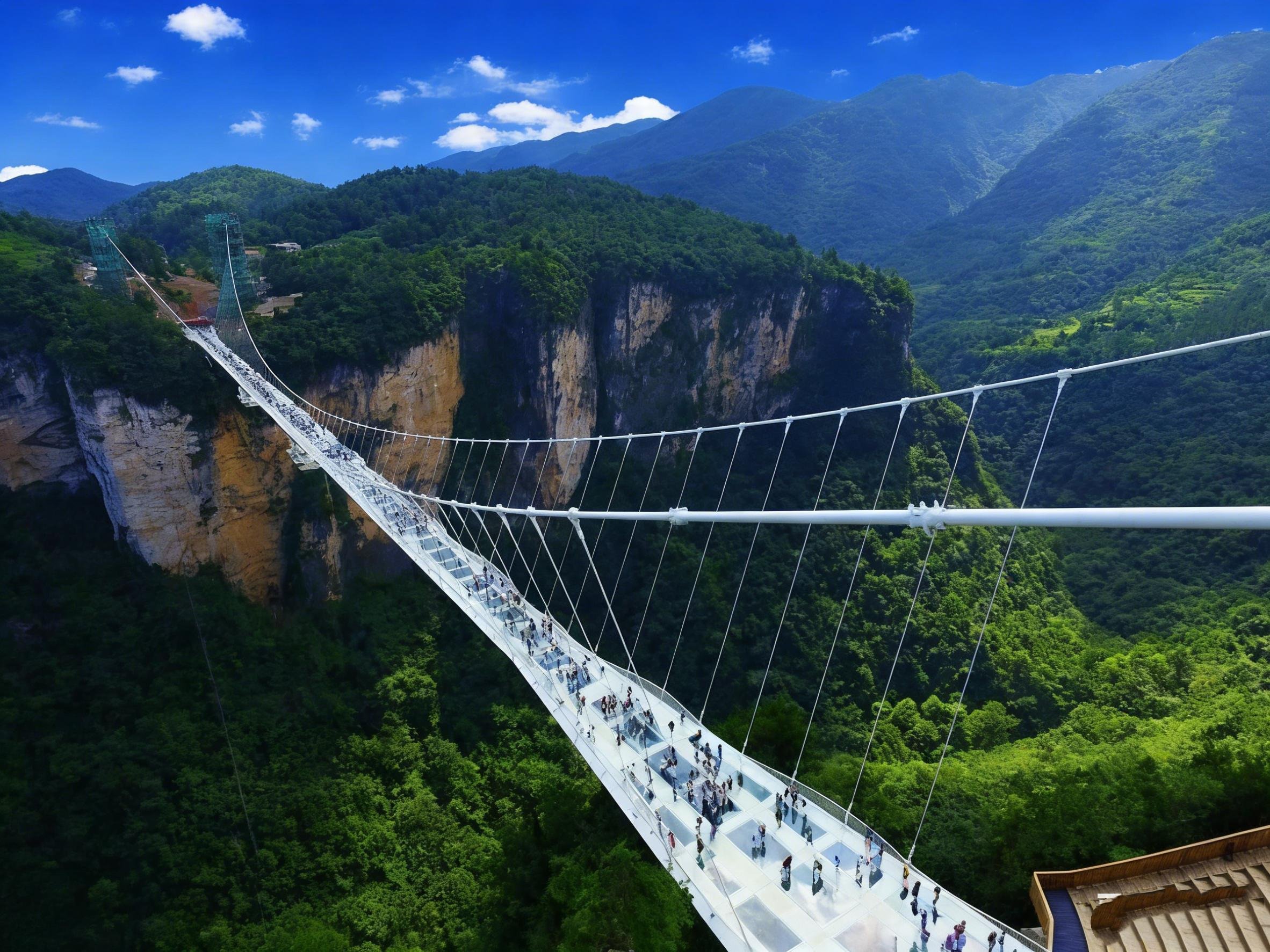
Multi-day zhangjiajie tour packages typically pair the forest park with Tianmen Mountain, reachable by the world's longest cable car, and the Zhangjiajie Glass Bridge spanning the Grand Canyon 300 meters above the valley floor. Private zhangjiajie guide services navigate the park's five gated zones and decode the shuttle-bus grid that replaces private vehicles. Bailong elevator tickets sell out during Golden Week; advance purchase is standard. The Tianzi Mountain cable car delivers summit access without the three-hour ascent, though zhangjiajie national forest park tickets include unlimited shuttle rides between zones.
The pillar forests reward persistence. First-hour crowds thin beyond Yuanjiajie; the western Yangjiajie sector sees a tenth of the traffic yet shelters equally dramatic formations. Overnight stays in Wulingyuan village or on Tianzi Mountain allow predawn starts, when mist erases the valley floors and the pillars float free.
“The quartzite towers predate the Himalayas by 200 million years, but their fame is entirely modern.”
Over 3,000 sandstone columns rise through mist-filled valleys, the densest concentration of quartzite peaks on Earth.
The Southern Sky Column and surrounding formations provided direct visual reference for Pandora's Hallelujah Mountains.
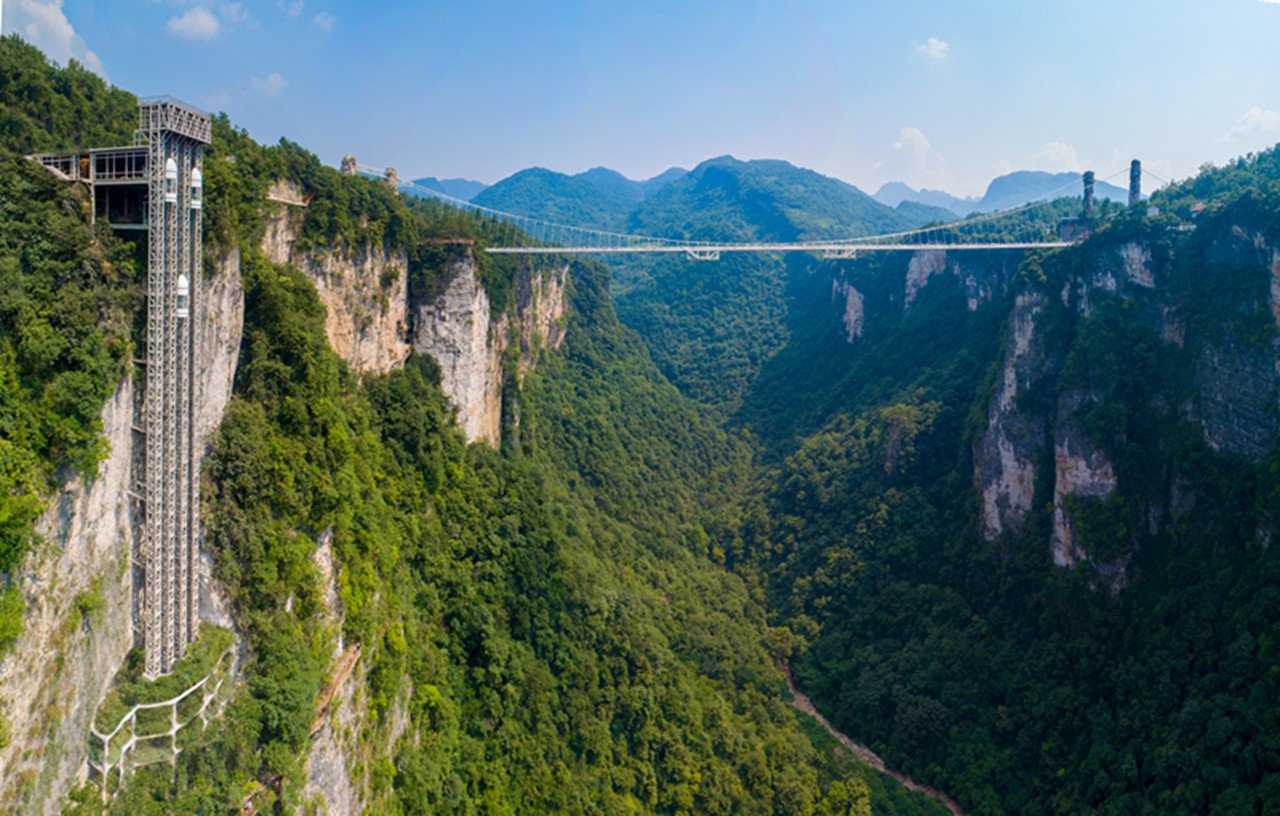
Engineering marvels include the 326-meter Bailong Elevator and cantilevered platforms suspended above 300-meter drops.
Zhangjiajie National Forest Park's attractions span dramatic landscapes that inspired Avatar's floating mountains. The park system includes vertigo-inducing engineering marvels like glass walkways and record-breaking elevators alongside cable car routes that reveal layered sandstone pillars. Each site offers a distinct perspective on the region's karst geography—some prioritize accessibility and speed, others reward hikers with solitude among the peaks.
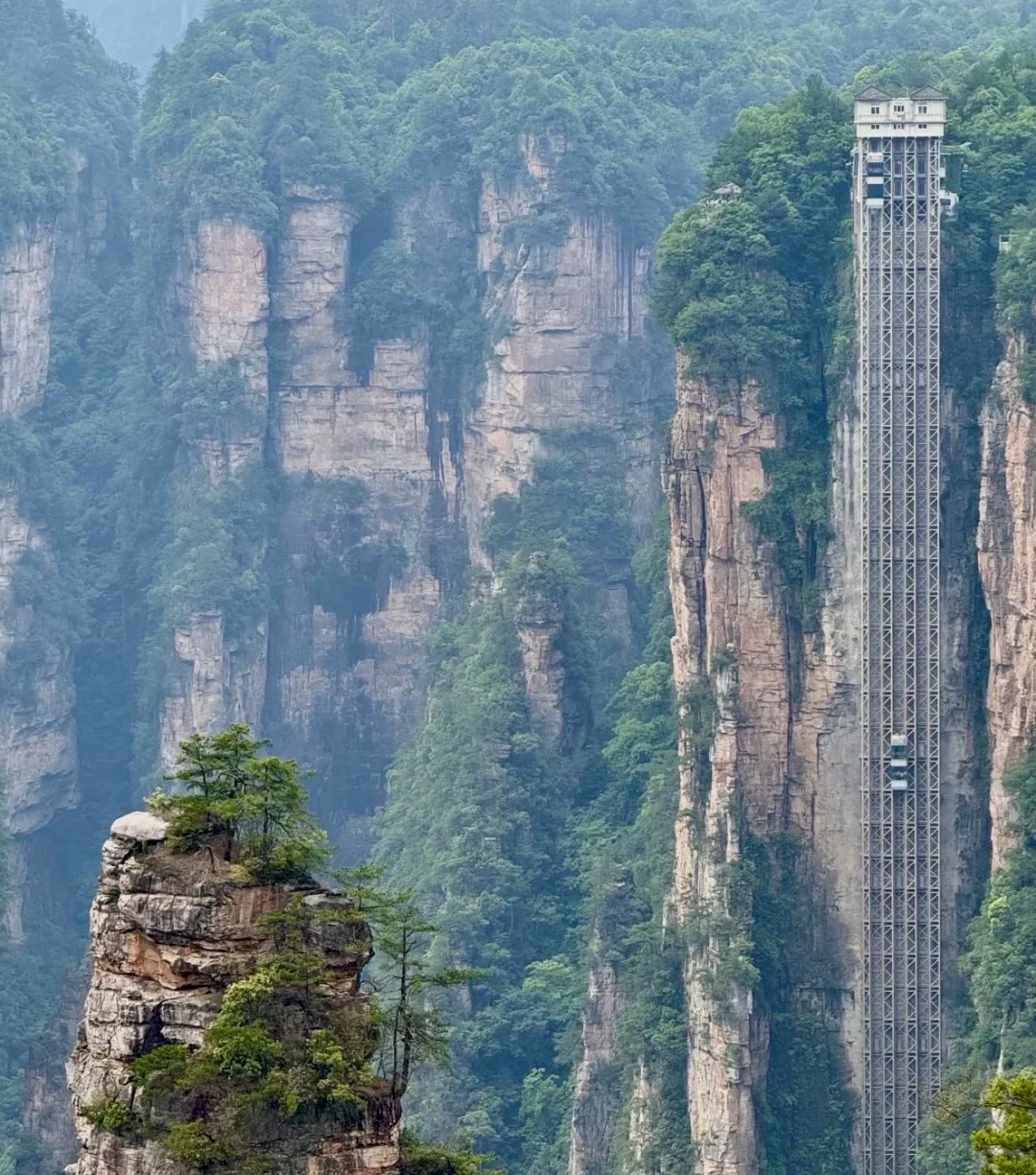 Scenic Transport
Ride the world's tallest outdoor elevator, ascending 326 meters through a cliffside shaft in under two minutes to reach Yuanjiajie's pillar-studded plateau and Avatar Hallelujah Mountain viewpoints.
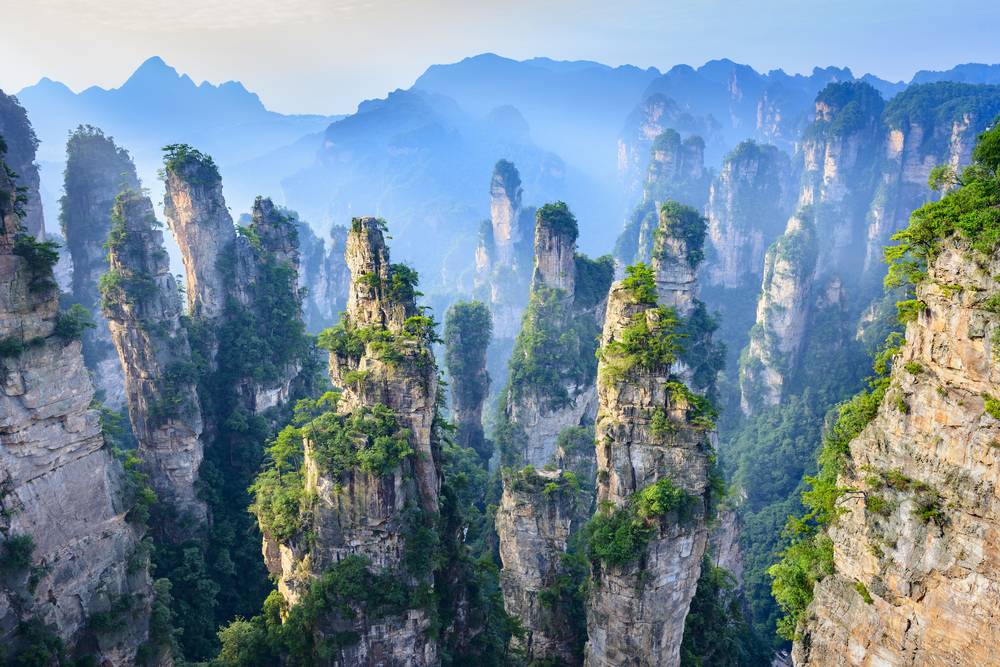 Tour Package
Combine forest park trails, Tianmen Mountain, and Grand Canyon over three days with lodging and transport managed, covering the region's signature pillar formations and engineering landmarks.
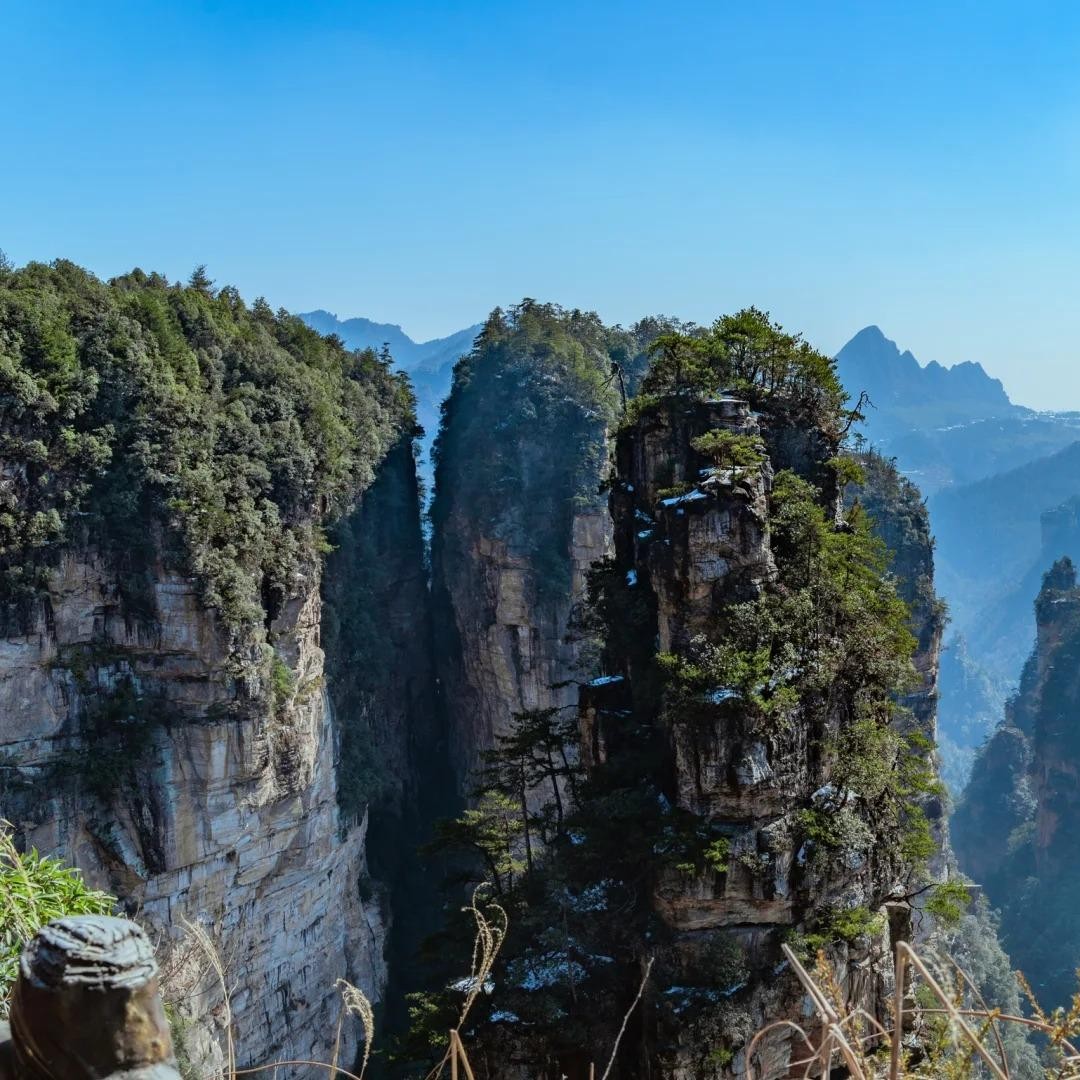 Guided Service
Hire a dedicated guide to navigate park zones at your pace, customizing routes through Yuanjiajie, Golden Whip Stream, or Tianzi Mountain based on fitness level and interests.
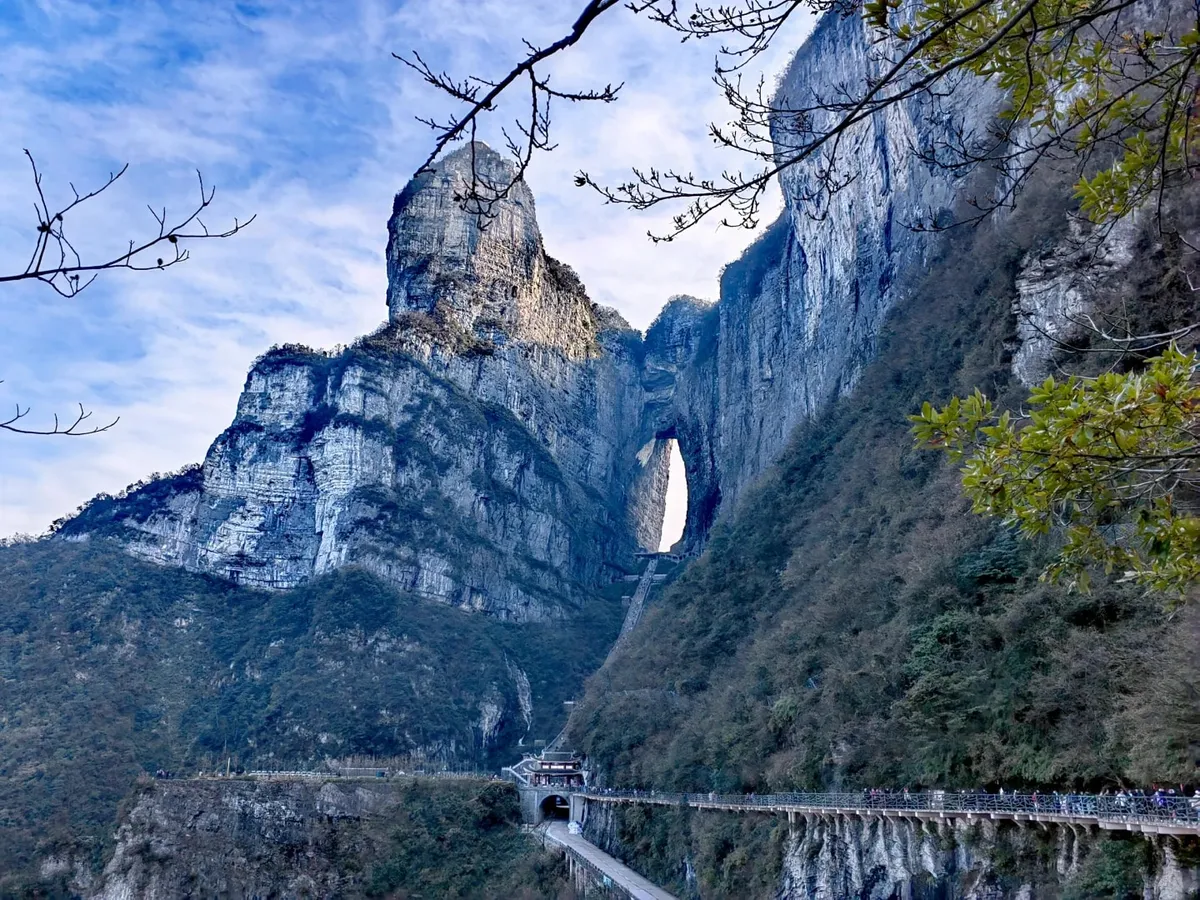 Mountain Experience
Cable car climbs 7.5 kilometers to the summit, then descend via 999 steps to Heaven's Gate, a natural rock arch piercing the mountain face, plus walk the cliffside glass skywalk.
 Adventure Attraction
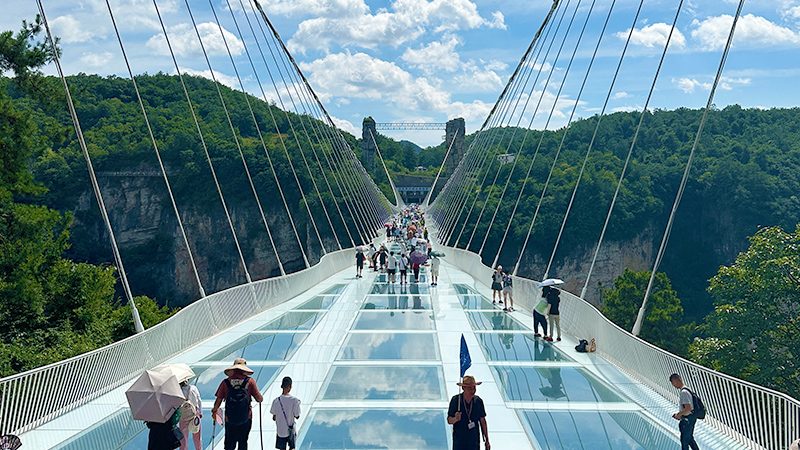
Walk across the world's longest and highest glass-bottomed bridge spanning 430 meters above the canyon floor, with bungee jumping and zipline options at the rim.
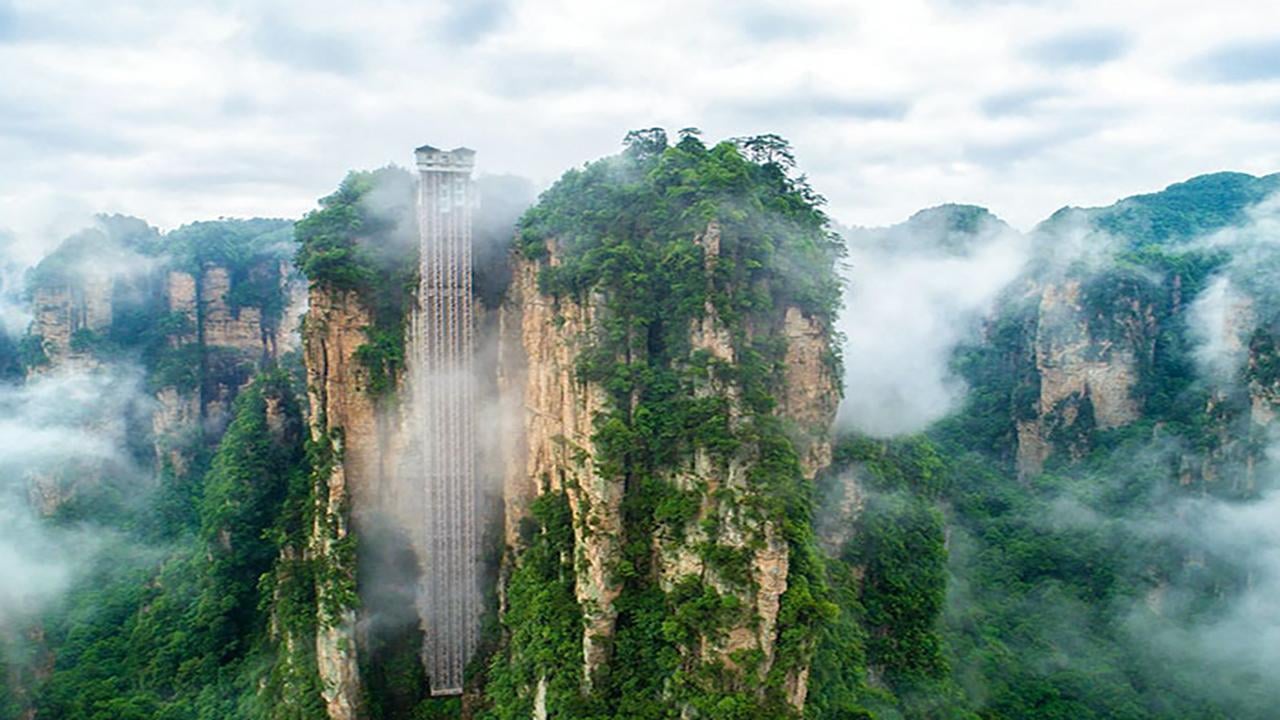
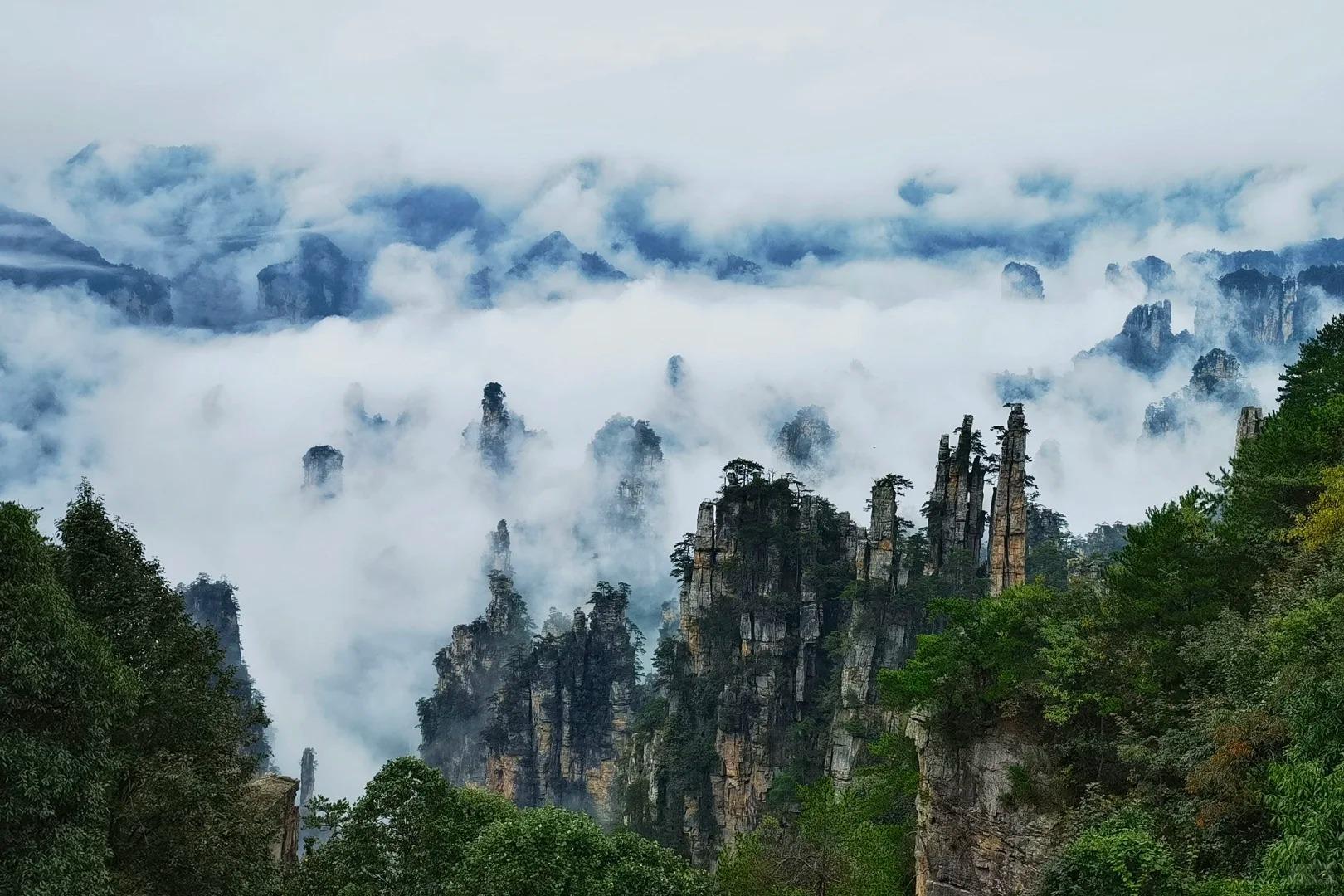
Zhangjiajie National Forest Park rewards visitors who plan their routes to match the park's vertical geography. The Bailong Elevator connects lower valleys to upper plateaus in seconds, while Tianmen Mountain stands apart as a separate scenic area requiring dedicated time. A well-sequenced itinerary minimizes redundant cable car rides and positions you for optimal light at key viewpoints.
Start at the Bailong Elevator base station and ascend 326 meters in under two minutes to reach Yuanjiajie plateau. Spend 2–3 hours walking the looped trail past the Avatar Hallelujah Mountain and First Bridge Under Heaven, where sandstone pillars rise from the mist.
View guideFollow the upper plateau trails west to Yangjiajie, a quieter zone with fewer tour groups and dramatic ridge-top views. The Natural Great Wall formation runs along a narrow rock crest for roughly 1 kilometer.
Descend on foot via the forested Golden Whip Stream trail, a 7.5-kilometer valley walk that takes 2–3 hours. The path follows a clear stream past named rock formations and ends near the park's east gate.
Board the 7.5-kilometer cable car from Zhangjiajie city center, climbing 1,279 meters over 28 minutes. At the summit, walk the glass skywalk clinging to the cliff face and explore forested trails around Tianmen Cave.
View guideDescend the 999-step staircase carved into the mountain face to reach Tianmen Cave, a natural karst arch 131 meters high. Return via shuttle bus or the same staircase, depending on your route ticket type.
View guideReturn to the city via the same cable car and spend the evening along Renmin Road, where local restaurants serve Tujia-style cured meat and pickled vegetables for ¥60–¥80 per meal.
Travel 40 minutes east to the Grand Canyon and cross the 430-meter glass bridge suspended 300 meters above the valley floor. The crossing takes 20–30 minutes at a controlled pace with queuing.
View guideDescend into the canyon on the lower trail, a 2–3 hour walk past waterfalls and pools. The trail exits at the canyon base, where shuttle buses return to the upper entrance.
View guideShuttle buses connect the Grand Canyon to Wulingyuan village or directly to Zhangjiajie city. Allow 40–60 minutes for the return journey during peak season traffic.
Navigating Zhangjiajie involves coordinating city-based public transport with the park's extensive internal shuttle network. Visitors primarily rely on buses and taxis to reach the designated park gates from the city center.
Zhangjiajie Public Transport operates routes connecting the city center to park gates. Use local maps or navigation apps to identify specific lines serving the Wulingyuan or South Gate entrances.
Taxis are widely available throughout the city and near park entrances. Ensure the meter is running, with rates set at ¥2.00 per km.
The park itself is traversed via a comprehensive free internal shuttle system that connects major trailheads and lift stations. Dedicated footpaths link various scenic areas within the forest park.
From the airport: Travelers arriving at Zhangjiajie Hehua International Airport (DYG) can reach the city center via bus or taxi, a transfer that typically takes 20-30 min and costs ¥20-¥50.
The peak season of April–May and September–October offers the most favorable weather for hiking and mountain views. These months provide the ideal balance of temperate conditions and clear visibility across the forest park.
Blooming flora enhances the landscape; trails are comfortable for extended trekking.
Higher temperatures and potential for afternoon thunderstorms; foliage is dense and vibrant.
Clear skies offer optimal visibility for rock formations; this is a prime period for photography.
Temperatures drop below 5°C; ice may cause trail closures, but snow creates a quiet atmosphere.
Zhangjiajie National Forest Park offers a range of expenditure levels that align with other major nature destinations in China. Costs vary significantly based on peak season travel during April–May and September–October.
Daily budget: A realistic daily budget for a mid-range visitor, excluding lodging, typically ranges from ¥250 to ¥400 CNY per person.
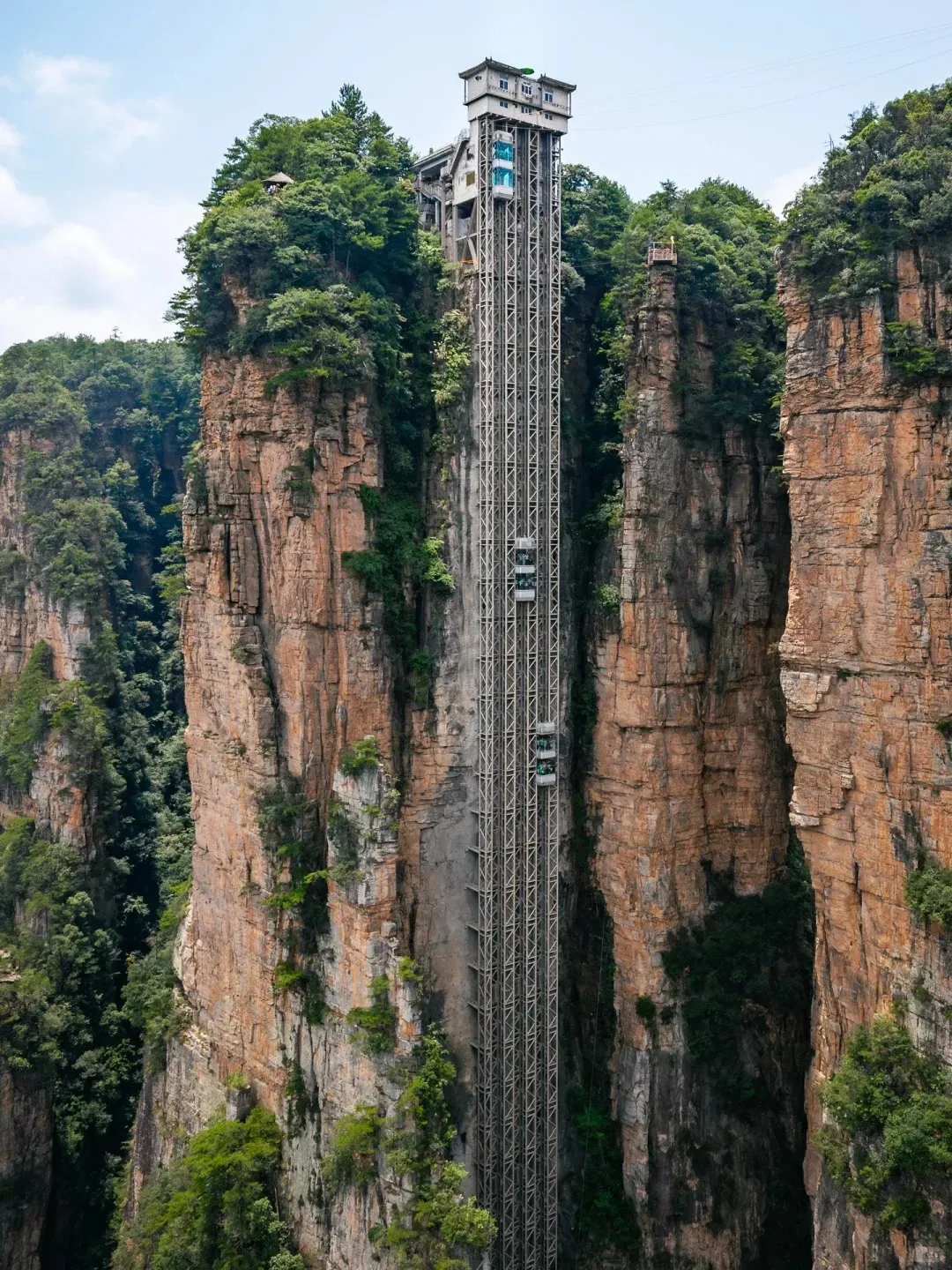
Capture the scale of the sandstone pillars from the glass elevator as it ascends the cliff face.
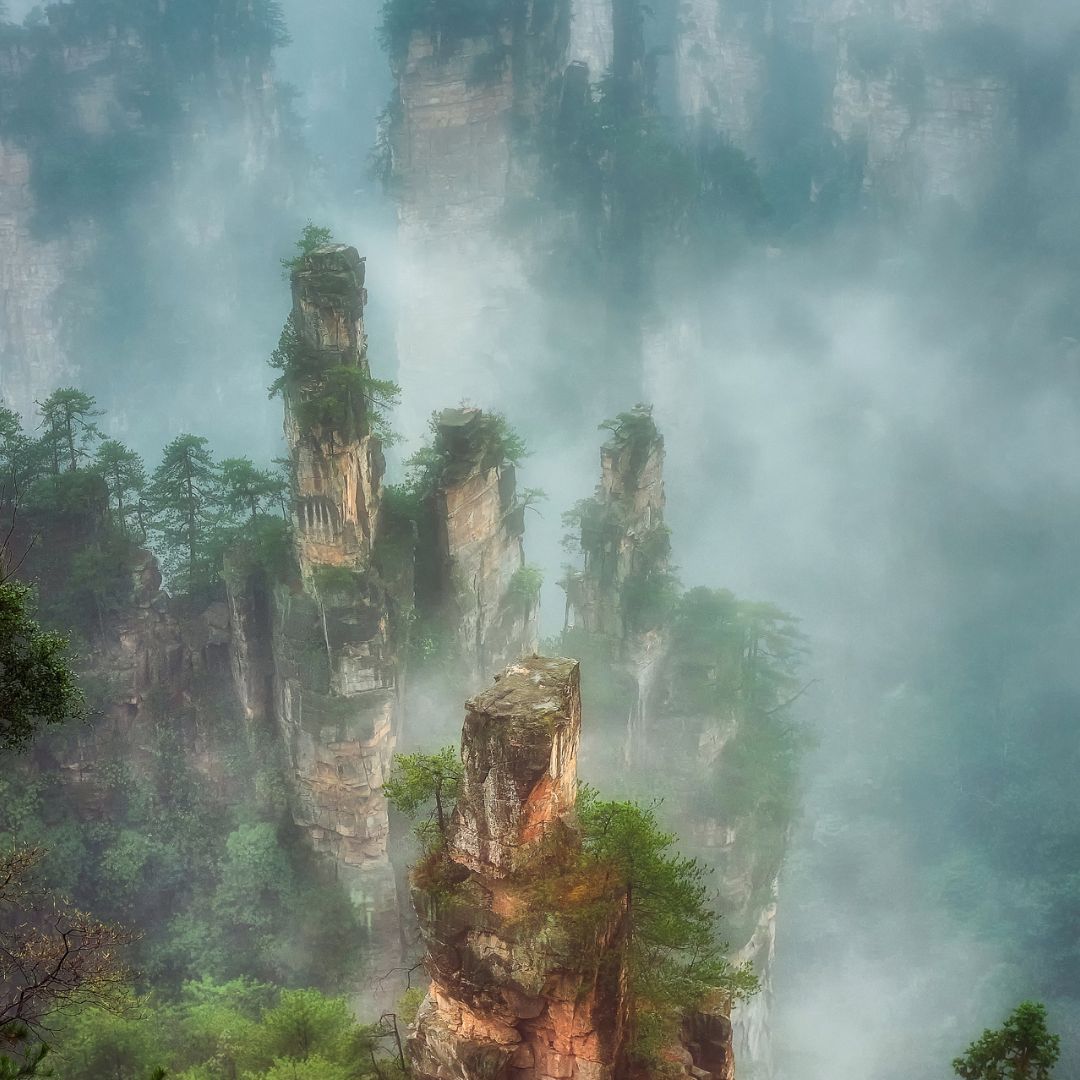
This vantage point offers the classic panoramic view of the Avatar Hallelujah Mountain and surrounding peaks.
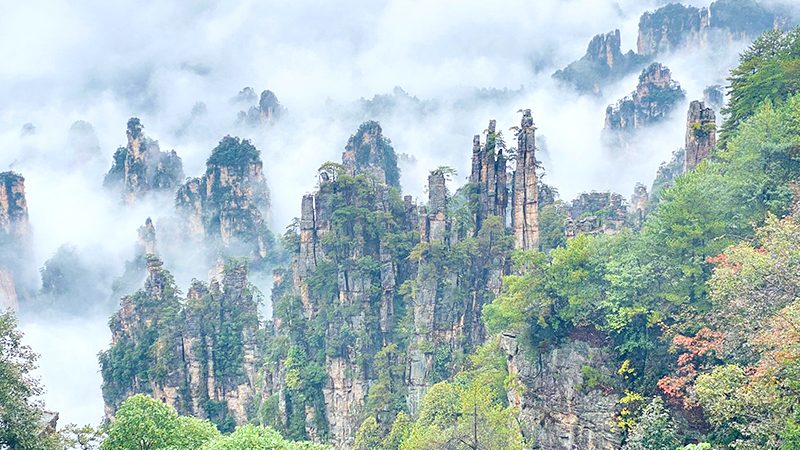
Position your camera to frame the jagged, needle-like peaks rising above the valley floor.
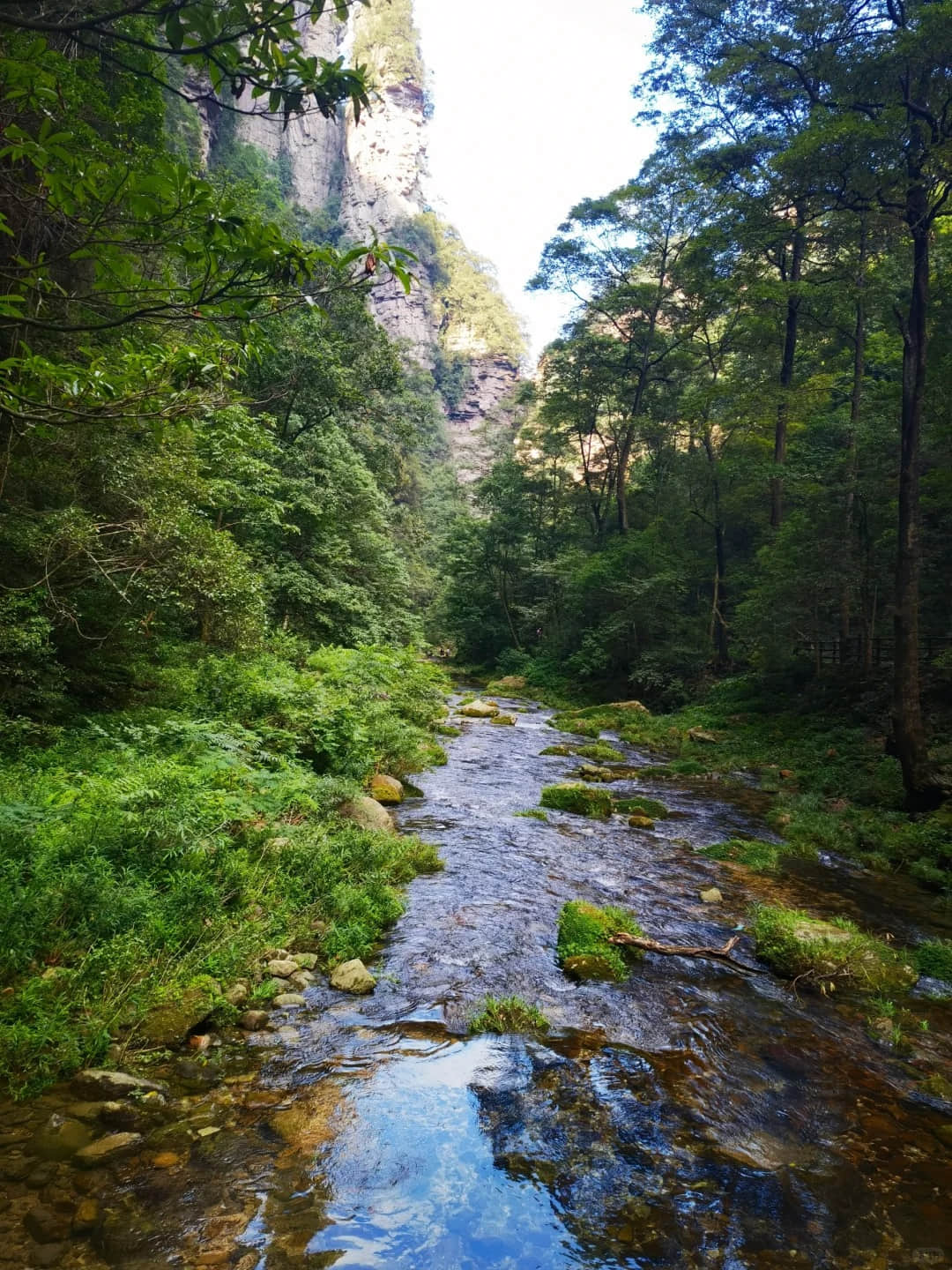
Shoot from the valley level to capture the towering stone walls reflected in the clear stream water.
Zhangjiajie National Forest Park presents significant physical challenges for families due to steep, uneven terrain and high altitudes. Successful visits require preparation for extensive walking and careful supervision near cliff edges.
Strollers are impractical on forest trails and stone steps. A child carrier is necessary for infants and toddlers navigating the park terrain.
The Bailong Elevator and the flat paths of Huangshizhai allow children to experience high-altitude views without strenuous hiking. Avoid trails with steep stairs if traveling with younger children.
High altitude areas feature steep drops and unprotected edges. Keep children close at all times and adhere to all safety barriers and signage throughout the park.
Pack sufficient snacks and water for the duration of your hike. Mid-range meal options within the park are available, but choices for picky eaters may be limited.
Everything you need to know about visiting zhangjiajie national forest park
Most travelers find that 3 to 4 days provides enough time to see the primary highlights. This allows for a comfortable pace when exploring the various trails and observation decks.
The peak season occurs during April–May and September–October when the weather offers favorable conditions for hiking and mountain views. These months provide the most temperate climate for outdoor activities.
You can take a bus or taxi from DYG Zhangjiajie Hehua International Airport to the city center, which typically takes 20-30 min and costs ¥20-¥50. From the city, local transport services connect to the main entrance of zhangjiajie national forest park.
Zhangjiajie Public Transport operates throughout the area with a single ride costing ¥2.00. You may also utilize local taxis, which charge ¥2.00 per km for convenient point-to-point travel.
A mid-range meal typically costs ¥60–¥80, while a coffee is priced at ¥25–¥35 and a local drink is ¥15. These costs remain reasonable for visitors exploring the wider Zhangjiajie scenic attractions.
There is no specific city-wide pass, but visitors should ensure they have enough cash for entrance fees and park services. Always carry small denominations for incidental expenses and public transit fares.
The marked paths and infrastructure make the park safe for independent hikers who stay on designated routes. Please ensure you remain within the safety barriers at all times while viewing the sandstone formations.
Tipping is not a standard practice in China and is generally not expected in restaurants or by transport drivers. It is more common to simply pay the quoted fare or menu price for services rendered.
Visiting zhangjiajie national forest park with children is feasible, provided you plan for plenty of walking and rest breaks. The park has cable cars and elevators that can help reduce the physical demand on younger visitors.
This zhangjiajie national forest park is most famous for its unique quartz-sandstone pillars and deep canyons that inspired the floating mountains in cinematic works. It remains a premier example of karst topography within the Hunan region.
Choose from amazing attractions and create unforgettable memories in this beautiful city
View All Attractions